
By Dr. Sassan Kaveh
Free speech in America was written as an absolute — fourteen words with no exceptions — by men who had personally published what the Crown called sedition. Every modern attempt to carve new exceptions is a wager that this generation's censors are wiser than the Founders. They are not.
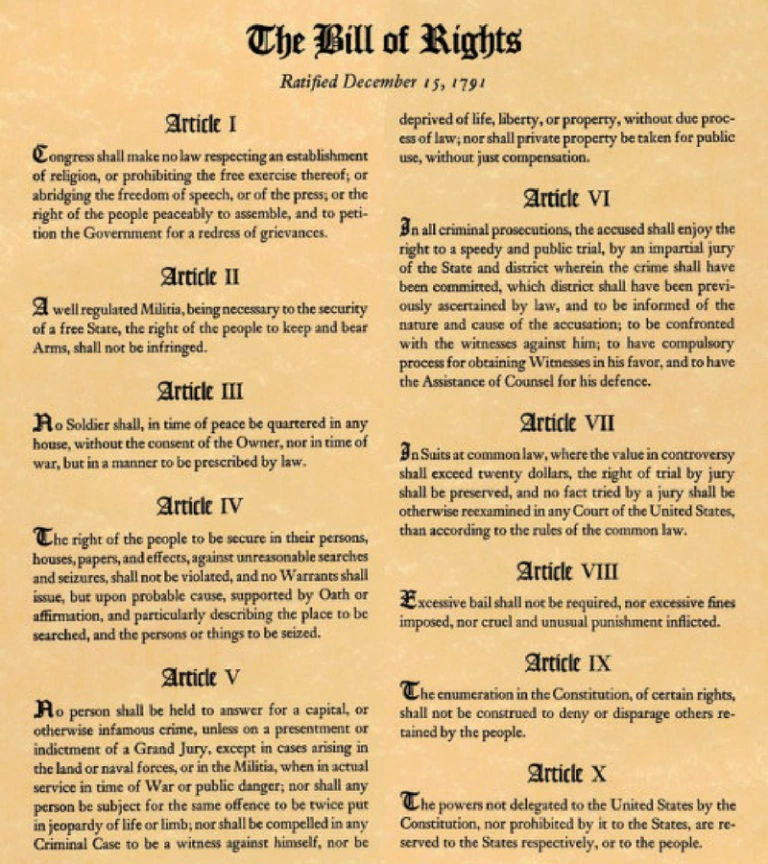
There is a sentence at the heart of the American republic, and it is dangerous on purpose: Congress shall make no law… abridging the freedom of speech, or of the press. Fourteen words, no exceptions, no qualifications. The men who wrote them had just spent a decade publishing what George III considered seditious libel. They knew exactly what free speech meant. It meant speech the powerful did not want to hear.
Two and a half centuries later, the meaning of that sentence is contested again. Powerful institutions — governmental, corporate, academic — argue for new exceptions: hate speech, disinformation, misinformation, malinformation. Each new exception sounds reasonable in the moment. Each new exception narrows the protection. Each new exception betrays the original design.

What The First Amendment Actually Says
Read the actual text of the First Amendment slowly:
Congress shall make no law respecting an establishment of religion, or prohibiting the free exercise thereof; or abridging the freedom of speech, or of the press; or the right of the people peaceably to assemble, and to petition the Government for a redress of grievances.
First Amendment, U.S. Constitution
Notice what is not in the text. There is no exception for offensive speech. There is no exception for speech the government considers false. There is no exception for speech that hurts feelings, that contradicts official narratives, that disturbs the peace of the powerful. The Founders were not naive. They understood that bad speech exists and that some of it is genuinely harmful. They concluded — explicitly and on the record — that the cure was more speech, not censorship.
| Speech The First Amendment Protects | The Narrow Exceptions Courts Recognize |
|---|---|
| Offensive, unpopular, and hateful opinions | Incitement to imminent lawless action |
| Criticism of government, officials, and policy | True threats against specific persons |
| Speech the government considers false | Defamation — knowingly false statements of fact about a person |
| Blasphemy, satire, protest, and dissent | Obscenity as narrowly defined by the courts |
| "Misinformation" as labeled by officials | Fraud and perjury |

Why The Founders Thought Free Speech Was Non-negotiable
The men who wrote the First Amendment had lived under a regime in which the government decided what could be said about the government. Newspaper editors who criticized the Crown were imprisoned for seditious libel. Clergy who preached the wrong theology were silenced. Pamphleteers who agitated for independence were hunted. The Founders had been the agitators, the pamphleteers, the clergy. They knew firsthand what happens when the state decides what is true.
That is why the First Amendment is structured as an absolute prohibition on the federal government. Not a guideline. Not a suggestion. A prohibition. The Founders did not trust the men who would later sit in Congress to draw the line between "good" speech and "bad" speech. They drew the line themselves: no law.
From Zenger To The Sedition Act: These Fights Are Older Than The Republic
The American commitment to free speech was forged in courtrooms before it was written into parchment. In 1735, a New York printer named John Peter Zenger stood trial for seditious libel because his newspaper had criticized the royal governor. Under the law of the day he was plainly guilty — truth was no defense. The jury acquitted him anyway, in open defiance of the court, and established in the American mind a principle the law would take another century to catch up with: the people, not the government, are the judges of political speech.
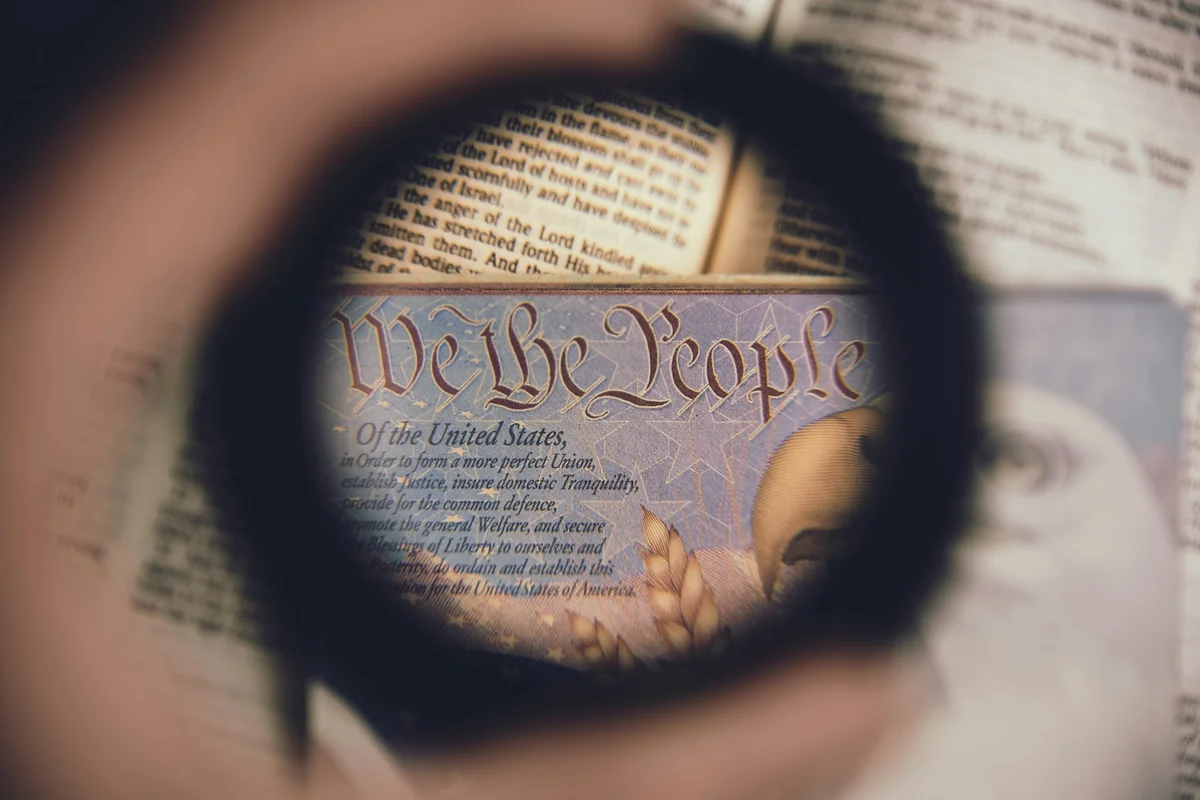
The young republic promptly failed its own first test. In 1798, seven years after ratifying the First Amendment, Congress passed the Sedition Act, criminalizing "false, scandalous and malicious" criticism of the government. Editors went to jail. The backlash helped sweep Jefferson into the presidency in 1800; he pardoned the convicted, and the Act was allowed to die. The amendment those editors invoked is preserved at the National Archives, fourteen words that outlived every officeholder who tried to shrink them. The episode is worth teaching precisely because it proves the point: even the founding generation, with the ink barely dry, reached for censorship the moment criticism stung. The full text and case law of the First Amendment record the two centuries of correction that followed. Free speech survives not because governments respect it but because citizens keep making them.

The Modern Era Of Soft Censorship
The government in 2026 rarely jails dissenters. It has more efficient tools. When private platforms — under explicit or implicit government pressure — deplatform speakers, remove content, throttle reach, the result is functionally equivalent to government censorship but harder to challenge in court. When credentialing institutions punish heterodoxy, when employers terminate employees for off-hours speech, when academic journals retract papers for political reasons, the effect on public discourse is the same as if the federal government had passed a law. The First Amendment's textual restriction is narrower than the real-world structure of speech suppression.
This is why the defense of free speech in 2026 cannot rely solely on the courts. It never has: as I wrote in my essay on Thomas Paine, the pamphleteers built this country by speaking without permission. It must also be a cultural project. Citizens have to be willing to defend speech they personally dislike. Institutions have to commit to viewpoint neutrality not as a legal obligation but as an ethical one. The First Amendment's constitutional structure is necessary but not sufficient. And a warning to the would-be censors, offered in a clinical spirit: every censorship regime in history has been staffed by people who were certain they were the exception — that their narrowing of speech was hygiene, not tyranny. The Sedition Act's authors believed it. The colonial governors believed it. The certainty is the symptom. If you find yourself convinced that this time the silencing is justified, you are not the first, and history has already graded your predecessors.
A Physician On The Cost Of Silenced Dissent
In medicine, the worst clinical errors come from environments where junior physicians are afraid to question senior ones. The literature on diagnostic error is consistent: hierarchies that punish dissent kill patients. The same is true of nations. A polity in which heterodoxy is professionally costly will arrive at bad collective judgments more often than one in which dissenting voices are protected. The Founders knew this without the medical literature to prove it. They had read history.
For the deeper case for why structural protections of speech are foundational to self-government, see my essay on natural rights and the extended treatment in Common Sense 2.0.

Get The Book That Goes Deeper
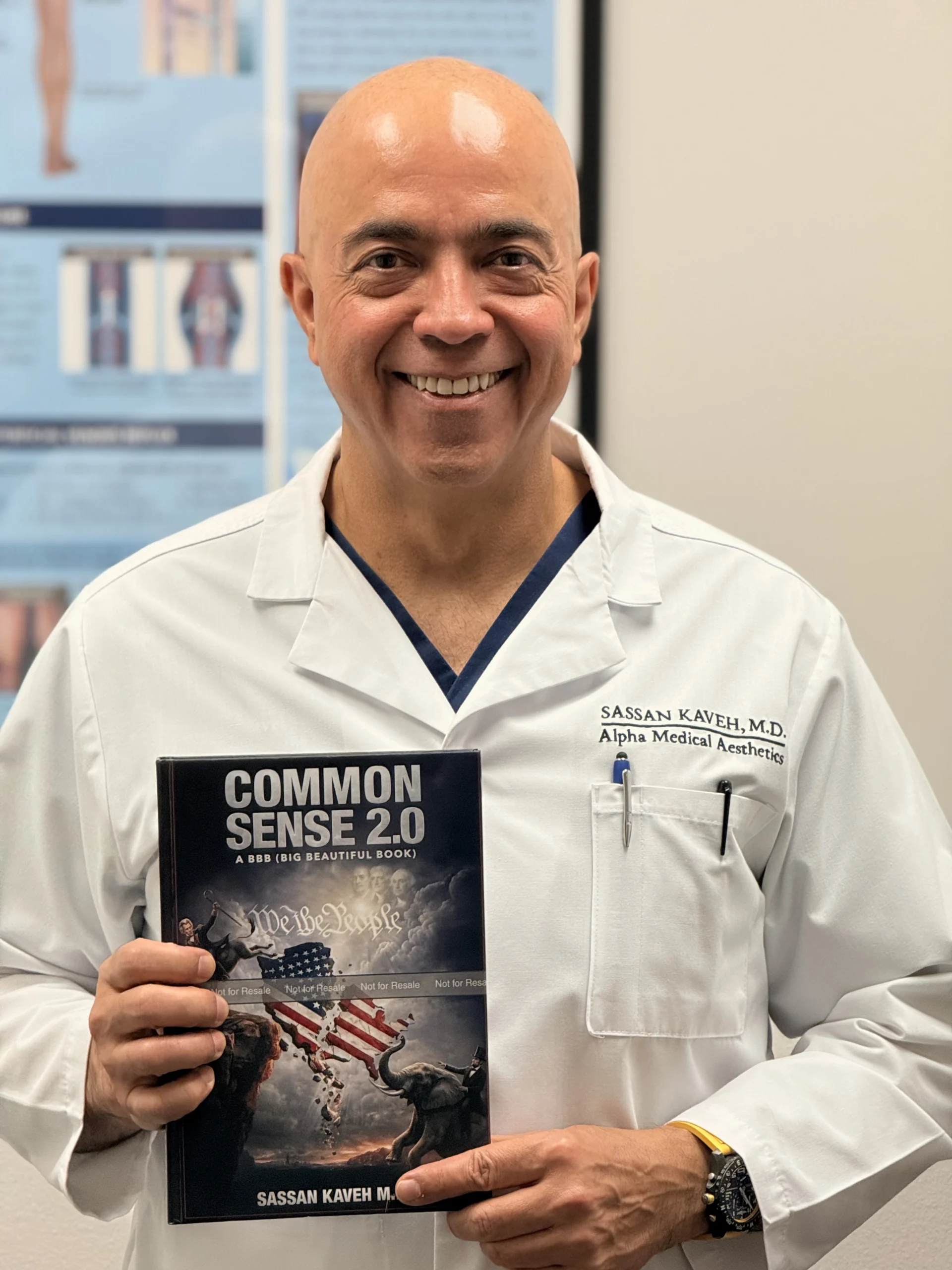
If this essay resonated, my book — Common Sense 2.0 — A BBB (Big Beautiful Book) — examines the founding ideas, the constitutional architecture, and the present moment in greater depth. It is written for readers who believe that self-government requires honest analysis, that power must answer to truth, and that no political party is entitled to blind trust.
Frequently Asked Questions
Does The First Amendment Apply To Private Companies?
Not directly. The First Amendment restricts government. But when private companies act in coordination with government — under pressure, under contract, under threat of regulation — the constitutional analysis becomes more complex. The category of "state action" has been litigated for decades and remains a live legal question.
Is There Such A Thing As Too Much Free Speech?
Genuinely harmful speech (incitement to imminent lawless action, true threats, defamation) is not protected. The legal categories of unprotected speech are narrow and clearly defined. Everything else — including speech you find offensive, false, or dangerous — is protected, by design. The cure for bad speech is better speech, not censorship.
Why Does This Matter If I Am Not A Journalist Or Activist?
Because the speech protections that shield journalists also shield you. Every ordinary American who speaks publicly — on social media, at a school board meeting, in a letter to a newspaper, at the dinner table — speaks under the same constitutional protection. When that protection erodes, it erodes for everyone.
— Dr. Sassan Kaveh · physician · author · American by choice. Read more at commonsense2point0.com and join our community of patriots.